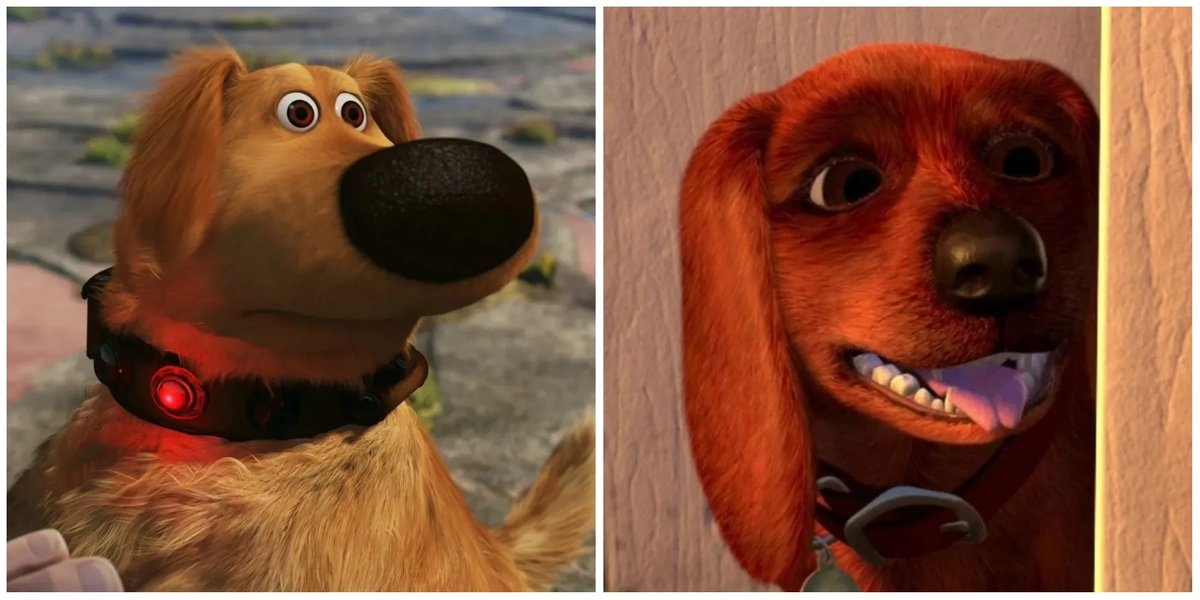
For nearly a century, Disney dogs haven't just been animated characters; they've been cultural touchstones, loyal companions, and silent (and sometimes not-so-silent) teachers, embedding themselves deep within our collective consciousness. From their earliest barks to their most recent heartwarming antics, the Cultural Impact and Legacy of Disney Dogs is a remarkable story of how fictional canines can shape real-world perceptions, inspire generations, and remind us of the simple, profound power of unconditional love.
They’ve danced, they’ve sung, they’ve saved the day, and they’ve certainly shed a tear or two (mostly for joy, sometimes for peril). But beyond the entertainment, what is it about these four-legged friends that makes them so enduringly popular and impactful? Let's dive in.
At a Glance: Why Disney Dogs Matter
- Pioneers of Animation: From Pluto's traditional canine traits to Goofy's anthropomorphic charm, Disney dogs pushed the boundaries of character design.
- Masters of Storytelling: They've led narratives exploring loyalty, social class, family devotion, and self-discovery.
- Cultural Icons: Inspiring pet adoption, influencing merchandise, and appearing in theme parks worldwide.
- Moral Compasses: Teaching invaluable lessons about loyalty, friendship, courage, responsibility, and unconditional love to millions of children.
- Real-World Roots: Many beloved characters drew inspiration from Walt Disney's own pets and meticulous observation of real animals.
- Enduring Appeal: Their relatability, strong emotional connections, and human-like behaviors ensure their lasting popularity.
The Origin Story: From Canine Companions to Cartoon Stars
The tale of Disney's canine champions began in the early days of sound animation, setting a precedent for how animated animals could connect with audiences on a deeply emotional level. This era laid the groundwork for the diverse range of dog personalities we’d come to adore.
Pluto: The Quintessential Canine, Mickey’s Loyal Shadow
When Pluto made his debut in 1930's "The Chain Gang," he was a revelation. Not just a dog, but the dog — a faithful, non-speaking companion whose actions and expressions communicated a universal language of canine emotion. Pluto maintained traditional dog characteristics, embodying the pure, unadulterated essence of a pet. He chased, he barked, he got into trouble, and he always, always came back to Mickey.
His impact was profound because he represented the ideal pet: uncomplicated, endlessly loyal, and full of personality. Pluto's enduring presence taught children (and reminded adults) about the simple joys and responsibilities of pet ownership long before a host of animal rights movements took hold. His character design, focused on fluid animation and expressive body language, paved the way for more complex animal characters, demonstrating that deep connection didn't require dialogue.
Goofy: Walking Upright, Speaking Volumes
Just two years after Pluto, 1932 saw the emergence of another iconic Disney dog, though one with a vastly different approach: Goofy. Unlike Pluto, Goofy was anthropomorphic. He walked upright, wore clothes, and, crucially, he spoke. This distinction was critical, showcasing Disney's willingness to experiment with how canine characters could embody different facets of the human experience.
Goofy often provided comic relief, but his gentle nature and endearing clumsiness made him incredibly relatable. He might trip, bumble, or misunderstand, but his heart was always in the right place. Goofy’s transition from a simple animal character to a fully developed, speaking personality demonstrated the versatility of the "dog" archetype in Disney’s world, proving that a canine character could carry stories, impart wisdom, and even headline his own adventures, influencing [the magic of Disney storytelling](placeholder_link slug="the-magic-of-disney-storytelling").
Mid-Century Milestones: Romantic Heroes & Family Protectors
As Disney animation evolved, so did its canine stars, taking on more nuanced roles that reflected changing societal values and cinematic ambitions. The mid-century films introduced us to dogs as romantic leads, devoted parents, and courageous heroes, deeply impacting audiences with their sophisticated narratives.
Lady and the Tramp (1955): A Tail of Two Worlds and Iconic Romance
Perhaps no other Disney dog film captures the romantic imagination quite like "Lady and the Tramp." This 1955 masterpiece introduced us to Lady, a pampered cocker spaniel, and Tramp, a street-smart mutt. Their story was more than just a romance; it was a subtle exploration of social classes, prejudice, and finding love across divides.
The film's iconic spaghetti scene, where Lady and Tramp share a single strand of pasta, remains one of cinema's most memorable romantic moments, transcending animation to become a universal symbol of budding affection. Beyond the titular pair, characters like Trusty, the wise and loyal bloodhound, provided gravitas and humor, reinforcing themes of friendship and steadfastness.
Lady and the Tramp resonated deeply because it gave its canine characters human-like depth and aspirations, making their struggles and triumphs incredibly relatable. It challenged viewers to look beyond superficial differences and appreciate the loyalty and love found in unexpected places. Interestingly, Walt Disney’s own pet chow, Sunnee, partly inspired Lady’s story, including the touching scene where Lady receives a puppy in a hatbox, showing how personal experiences often fuel [the animation techniques that brought them to life](placeholder_link slug="disney-animation-techniques").
101 Dalmatians (1961): Parental Devotion and a Spotted Phenomenon
"101 Dalmatians" brought a new level of courage and parental devotion to the screen. Pongo and Perdita weren't just romantic leads; they were fiercely protective parents embarking on a perilous journey to rescue their 99 puppies from the dastardly Cruella De Vil. Their unwavering determination and ingenuity in the face of overwhelming odds showcased a powerful depiction of family love.
The film sparked a nationwide fascination with Dalmatians, leading to a surge in demand for the spotted breed. This cultural phenomenon highlighted how Disney's storytelling could directly influence real-world trends, from pet preferences to fashion. The meticulous animation process, which involved bringing real Dalmatians into the studio for artists to observe their movements and coat patterns, contributed to the characters' lifelike charm and expressiveness.
101 Dalmatians taught us about bravery, the importance of family, and the collective strength found in unity. It was a thrilling adventure that resonated with anyone who understood the protective instincts of a parent, human or animal, and its impact on [how Disney characters shape young minds](placeholder_link slug="impact-of-disney-characters-on-children") is undeniable.
Modern Masters: New Personalities, Enduring Appeal
As animation techniques advanced and storytelling evolved, Disney continued to introduce new canine stars who captivated audiences with contemporary narratives and innovative character designs. These modern dogs maintain the legacy of their predecessors while tackling fresh themes.
Bolt (2008): A Hero’s Journey to Find Himself
Bolt, the titular character from the 2008 film, offered a meta-narrative about identity. A television star dog who believes his superpowers are real, Bolt embarks on a cross-country adventure, discovering his true identity and the meaning of real heroism and friendship along the way. His journey from delusion to self-awareness, guided by genuine loyalty, resonated with audiences of all ages.
Bolt taught us that true strength isn't always about superpowers, but about courage, resilience, and the bonds we form with others. His story was a poignant exploration of authenticity and the difference between perception and reality, wrapped in an exciting, action-packed package.
Dug (2009) from "Up": The Lovable, Talking Collar Companion
Dug, the Golden Retriever from Pixar's 2009 film "Up," quickly became a fan favorite thanks to his endearing personality and, of course, his talking collar. Programmed to vocalize his thoughts, Dug provided constant comic relief with his easily distracted nature ("Squirrel!"), but also offered profound emotional support and unconditional love to Carl and Russell.
Dug embodies the pure, unadulterated joy and loyalty of a dog. He taught us about embracing the present, finding happiness in simple things, and the profound companionship an animal can offer, especially during times of grief or loneliness. His character perfectly illustrates how a seemingly simple concept (a talking dog) can deliver complex emotional depth and universal appeal.
Beyond the Spotlight: Unsung Canine Heroes
While some Disney dogs take center stage, many others have played crucial supporting roles, enriching stories, providing comic relief, and embodying essential virtues. These background players often leave as significant a paw print on our hearts as the leads.
Nana (Peter Pan, 1953): The Ultimate Dog Nanny
Nana, the Newfoundland dog nursemaid in "Peter Pan," is the epitome of care and responsibility. She's not just a pet; she's an integral part of the Darling family, tidying up, administering medicine, and watching over the children with unwavering dedication. Nana symbolizes the nurturing, vigilant aspect of a caregiver, demonstrating that love comes in many forms, even furry ones. Her presence reminds us of the extraordinary roles pets can play in our lives, often without speaking a single word.
Bruno (Cinderella, 1950): Loyalty in the Face of Adversity
Bruno, Cinderella’s loyal bloodhound, is a constant source of comfort and protection amidst the cruelty of her stepfamily. Despite being relegated to a stable, his devotion to Cinderella never wavers. He dreams of catching Lucifer, the wicked cat, and consistently defends Cinderella whenever possible. Bruno represents steadfast loyalty and the quiet strength of enduring friendship, reminding us that even in the darkest times, we can find allies in unexpected places.
Little Brother (Mulan, 1998): A Touch of Home
Mulan’s dog, Little Brother, is a lively and mischievous pup who represents the warmth and chaos of home. His antics, like helping Mulan with her chores (albeit clumsily), add a layer of domesticity and humor to the dramatic story of Mulan's transformation. Little Brother reminds us of the simple joys and unconditional acceptance waiting for us back home, a grounding presence amidst Mulan's epic journey.
Tito (Oliver & Company, 1988): The Bold Sidekick
Tito, the small but mighty Chihuahua from "Oliver & Company," is a bundle of fiery energy and unwavering loyalty. As a member of Fagin's dog gang, he's known for his bold personality and his surprising bravery, often stepping up despite his size. Tito’s character proves that courage comes in all packages, and even the smallest among us can have the biggest hearts and make a significant impact.
Napoleon and Lafayette (The Aristocats, 1970): Humorous Rural Watchdogs
These two bumbling, good-hearted rural watchdogs from "The Aristocats" provide much-needed comic relief with their Southern accents and perpetually confused antics. Napoleon, a Bloodhound, and Lafayette, a Basset Hound, famously "take turns" listening for intruders, often with hilarious results. They embody the charm of simple country life and the camaraderie of unlikely friendships, adding warmth and humor to the sophisticated world of the Parisian felines.
Stella (The Princess and the Frog, 2009): Comedic Canine Charm
Even minor characters like Stella, the pet dog of Charlotte La Bouff in "The Princess and the Frog," contribute significantly. Though not central to the plot, Stella adds comedic elements and a touch of realism to the affluent New Orleans setting. Her brief appearances underscore how dogs are woven into the fabric of human lives, often providing silent commentary or a moment of levity.
Why We Can't Get Enough: The Psychology Behind Disney Dog Popularity
The enduring popularity of Disney dogs isn't accidental; it’s rooted in deep psychological and emotional connections. These characters tap into universal human experiences, making them timeless figures in popular culture.
Strong Emotional Connections
Disney dogs excel at forging strong emotional bonds with their audience. Their expressive faces, relatable reactions, and often wordless communication allow viewers to project their own feelings and experiences onto them. Whether it’s Pluto’s frustration, Lady’s vulnerability, or Dug’s boundless enthusiasm, these characters mirror emotions we all understand, fostering empathy and attachment. This emotional resonance is a cornerstone of Disney's storytelling success, extending beyond the screen to influence [Disney theme park experiences](placeholder_link slug="disney-theme-park-experiences") and countless memories.
Relatability Through Human-like Behaviors
While they are unmistakably dogs, many Disney canines exhibit human-like behaviors, thoughts, and even dilemmas. Goofy walks, talks, and raises a son. Lady and Tramp navigate a romance with class differences. Pongo and Perdita worry and plan like human parents. This anthropomorphism, carefully balanced with their animal instincts, makes them incredibly relatable. We see ourselves, our families, and our friends in their struggles and triumphs, making their stories feel more personal and impactful.
The Moral Compass: Lessons They Embody
Beyond entertainment, Disney dogs are powerful educational tools. They consistently embody and teach valuable moral lessons that resonate with children and adults alike:
- Loyalty: From Pluto's unwavering devotion to Cinderella's Bruno, loyalty is a recurring theme, demonstrating the strength of commitment.
- Friendship: The camaraderie between countless Disney dog characters highlights the importance of companionship and mutual support.
- Courage & Bravery: Pongo and Perdita's daring rescue mission, or Tito's unexpected boldness, inspire us to face fears and stand up for what's right.
- Perseverance: Characters like Bolt show the journey of self-discovery and the importance of never giving up.
- Responsibility: Nana's role as a nursemaid exemplifies the duties that come with caring for others.
- Unconditional Love: Perhaps the most profound lesson, Disney dogs consistently offer boundless love, reminding us of its transformative power.
These embedded lessons make Disney dogs valuable resources for parents and educators, subtly shaping young minds with positive values.
Behind the Barks: Real-Life Inspirations and Artistic Craft
The magic of Disney animation is often rooted in reality, and the creation of these beloved canine characters is no exception. Understanding the production insights reveals the artistry and dedication involved in bringing them to life.
Walt Disney's Personal Connection: Sunnee and Lady and the Tramp
As mentioned earlier, Walt Disney's own pet chow, Sunnee, played a pivotal role in inspiring "Lady and the Tramp." The scene where Lady receives a puppy in a hatbox was directly influenced by a real-life experience where Walt gave his wife, Lily, a puppy in a hatbox as a Christmas gift. This personal touch imbued the film with genuine warmth and authenticity, proving that even grand animated spectacles can stem from intimate, everyday moments. The blend of real-life experiences with imaginative storytelling is a hallmark of Disney's enduring success.
Meticulous Observation: Real Dalmatians for 101 Dalmatians
For "101 Dalmatians," the animators didn't just imagine what Dalmatians looked like; they immersed themselves in observation. Real Dalmatians were brought into the studio, allowing artists to study their unique movements, gait, and distinctive coat patterns up close. This painstaking attention to detail resulted in characters like Pongo and Perdita feeling incredibly lifelike and convincing, despite their exaggerated expressions and actions. This commitment to grounded realism, even in fantasy, is a testament to the high standards of Disney animation and contributed significantly to the film's lasting impact.
The Enduring Paw Print: Disney Dogs as Cultural Touchstones
The influence of Disney dogs extends far beyond the silver screen, permeating various aspects of popular culture and influencing real-world behaviors.
Impact on Pet Adoption and Breed Popularity
The "101 Dalmatians" phenomenon is a prime example of how Disney films can directly influence pet adoption trends and breed popularity. The film sparked a massive surge in demand for Dalmatians, highlighting the power of popular culture to shape public interest in specific breeds. While this can have its challenges (responsible pet ownership is key), it undeniably demonstrates the cultural clout of these characters. They often inspire people to consider bringing a canine companion into their own homes, seeking to replicate the joy and loyalty they see on screen.
Merchandise, Theme Parks, and Beyond
Disney dogs are ubiquitous. They appear on merchandise ranging from toys and clothing to home decor, solidifying their status as beloved brand ambassadors. You can meet characters like Pluto and Goofy at [Your guide to Disney dogs](placeholder_link slug="disney-canine") throughout Disney theme parks worldwide, creating immersive experiences that bring the magic to life for millions of visitors. Their presence in video games, books, and television series ensures their continuous relevance across generations. This extensive commercial and experiential presence reinforces their cultural legacy, making them ever-present figures in children's (and adults') lives.
Teaching Universal Values
At their core, Disney dogs are conduits for teaching universal values. They embody love in its purest form—unconditional and boundless. They demonstrate the importance of standing by friends and family, facing fears with courage, and finding joy in simple moments. These aren't just entertainment values; they are life lessons that transcend cultural barriers, making Disney dogs silent educators in homes around the globe. Their enduring appeal lies in their ability to articulate complex emotional truths through simple, heartwarming narratives.
Your Canine Connection: What Disney Dogs Teach Us All
The Cultural Impact and Legacy of Disney Dogs is not merely a historical footnote in animation; it's a vibrant, ongoing narrative that continues to shape our understanding of companionship, bravery, and the profound bond between humans and animals.
Whether you grew up with Pluto's antics, dreamt of sharing spaghetti with Tramp, or laughed at Dug's "Squirrel!" moments, these characters have left an indelible mark. They remind us that loyalty is a virtue, friendship is a treasure, and love, in its most unconditional form, can truly conquer all. They invite us to look at our own pets with renewed appreciation, understanding the silent wisdom and boundless affection they bring into our lives.
So, the next time you see a Disney dog on screen or in a theme park, remember that you’re not just looking at an animated character. You’re witnessing a legacy of storytelling, artistry, and heart that continues to inspire, educate, and move us, one wagging tail at a time. They are, quite simply, good boys and girls who have made the world a better, more loving place.